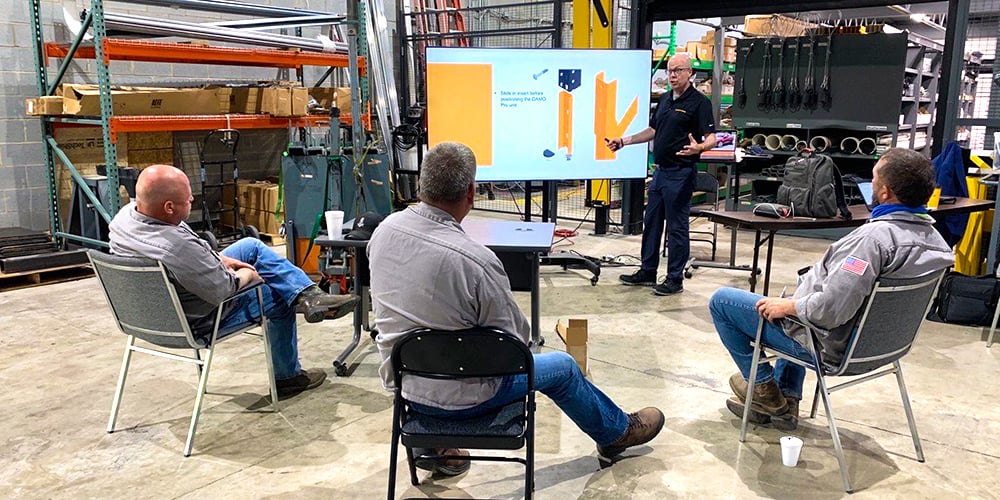

In the fast-paced world of warehousing, Health & Safety plays a critical role in preventing injuries, ensuring compliance, and protecting both employees and inventory. Safety is more than a legal obligation—it’s a key driver of operational stability, audit readiness, and employee well-being.
Each year, thousands of injuries occur in warehouses due to insufficient training and unsafe practices. For example, the U.S. Bureau of Labor Statistics reported in 2024 that the warehousing and storage sector recorded about 4.8 cases per 100 full-time workers, compared with about 2.3 cases per 100 for private industry. These incidents don’t just impact workers—they lead to downtime, regulatory scrutiny, and increased liability.
Investing in structured safety education, including rack safety training, helps organizations reduce risk, build confidence in compliance, and demonstrate due diligence. This guide outlines the key components of warehouse safety education to help safety leaders build a safer, more resilient operation.

What Is Warehouse Safety Education?
Warehouse safety education is the process of developing the knowledge, skills, and best practices needed to maintain a safe working environment. From equipment operation to rack safety awareness, it focuses on minimizing risks, preventing injuries, and ensuring compliance with applicable safety standards.
Safety education programs typically include a combination of formal training, hands-on instruction, and ongoing reinforcement. Common training areas include:
1. Personal Protective Equipment (PPE) training
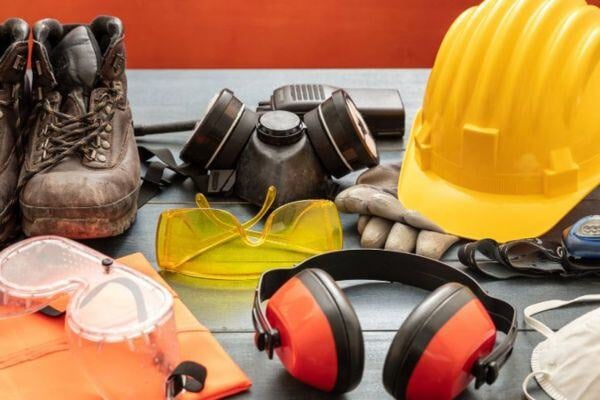
This type of training aims to ensure that workers understand when and how to use Personal Protective Equipment correctly. It covers the proper use and maintenance of helmets, gloves, safety shoes, eye protection, and other required PPE—reducing preventable injuries and improving compliance.
2. Emergency response training
Emergency response training prepares workers to act quickly and effectively during critical situations. It typically covers fire safety, evacuation procedures, and how to respond to workplace accidents, helping organizations limit the severity of incidents when they occur.
3. Material handling and ergonomics training
Improper lifting, pushing, or carrying of materials is a common source of warehouse injuries. Educating employees on safe material-handling techniques and ergonomics helps prevent strain-related injuries and musculoskeletal disorders (MSDs) and supports long-term workforce sustainability. This type of training focuses on proper lifting techniques, the use of assistive equipment, and other methods to improve employee comfort and productivity.
4. Forklift and equipment operation training
Forklift accidents remain one of the leading causes of warehouse injuries. The Occupational Safety and Health Administration (OSHA) estimates between 35,000 and 62,000 forklift-related injuries annually, with 75–100 fatalities. Proper training on equipment operation, maintenance checks, and pedestrian awareness is especially critical in facilities with forklifts and pallet racking systems, where impacts can compromise structural safety and increase accidents.

Why Is Rack Safety Training Important?
Beyond general warehouse hazards, pallet racking systems introduce unique structural risks that require specific training. For Health & Safety Managers, rack safety training, including racking inspection training, is essential to ensuring compliance with industry standards and reducing the likelihood of rack-related incidents to protect your employees, equipment, and warehouse inventory.
Key rack safety topics include:
1. Understanding rack types and configurations
Warehouses often use a variety of rack systems depending on storage needs and product flow. Improper use or modification of these systems can compromise stability and safety. Understanding various rack types, components, and configurations—often covered in a racking inspection course—is critical for safe operation.
2. Loading and unloading techniques
Every pallet storage rack has defined load capacities and design limits. It’s crucial to know these limits to prevent overloading and imbalance. Training employees on proper loading and unloading techniques helps prevent overloading and uneven weight distribution, reducing the risk of rack collapse and worker injuries during warehouse operations. These principles are commonly reinforced in rack inspection training programs.

3. Recognizing and addressing potential hazards
Rack damage is not always obvious. Educating staff to recognize early warning signs—such as damaged uprights, deflected beams, or missing safety pins—allows issues to be addressed before they escalate, helping to prevent accidents and ensuring rack structural integrity. According to RMI and ANSI MH16.1, any damage that may reduce load-bearing capacity must be isolated and evaluated by a qualified engineer before the rack is repaired or returned to service. Repairs must follow the rack manufacturer’s specifications and the current MH16.1 requirements.
4. Inspecting and maintaining pallet racks
Regular pallet rack safety inspections are a cornerstone of an effective rack safety program. Supported by pallet rack inspection training, routine inspections help identify corrosion, rust, and component damage. Routine maintenance ensures racks remain compliant with safety standards, prolongs their lifespan, and reduces the likelihood of failures.
In the United States, while OSHA does not prescribe inspection frequencies, it expects employers to maintain storage racks in safe condition, address damage promptly, and ensure inspections are performed by qualified personnel as part of a comprehensive warehouse safety program.
In Canada, CSA A344 provides guidance on the inspection and maintenance of steel storage racks. CNESST and many provincial OHS authorities recommend routine (often monthly) visual inspections by trained staff and an annual inspection by a qualified specialist, with inspection frequency adjusted based on operating conditions.

Different Ways of Learning About Warehouse Safety Education
Effective warehouse safety education combines multiple learning approaches to reinforce key concepts. Interactive rack inspection training, live online courses, and on-site instruction each serve different needs.
Online safety courses and webinars provide flexibility and consistency across sites. On-site warehouse safety training delivers practical, real-world application. Certifications such as OSHA programs help formalize safety knowledge and demonstrate compliance. Visual aids like safety checklists give easy access to employees and reinforce daily awareness.
By combining these methods—especially for racking inspection training—organizations can build a stronger, more proactive safety culture.
Final Thoughts on Warehouse Safety Education for Safety Leaders
For Health & Safety Managers, warehouse safety education is not a one-time initiative—it’s an ongoing process that supports compliance, reduces risk, and protects people and assets. Structured training, routine inspections, and clear accountability are essential to maintaining safe operations in high-traffic warehouse environments.
A well-designed warehouse safety education program not only helps prevent injuries but also strengthens audit readiness and operational resilience—making it a critical investment for any warehouse operation.
To go further, find out more about our racking inspection training and how it can help your team identify risks early and maintain compliance with industry standards.
Frequently Asked Questions About Rack Safety Training and Warehouse Safety Education
What is rack safety training?

Who should receive rack safety training?
How often should pallet rack inspections be performed?
What standards or regulations apply to rack safety training?
Can rack safety training be completed online?
Why is warehouse safety education important for Health & Safety Managers?