

Cold storage warehouses, including refrigerated coolers and freezers, keep food, pharmaceuticals, and other temperature-sensitive products safe. But the same conditions that protect the product are hard on pallet racking.
Cold storage racking may be exposed to condensation, ice buildup, and repeated forklift impacts. Moisture can promote corrosion, while ice and restricted visibility can complicate safe handling. Rack materials and components should be selected for the facility’s operating temperature and exposure conditions.
Why Cold Storage Rack Safety Requires a Different Approach
Cold storage is a large and growing part of the U.S. warehouse network. USDA’s 2025 refrigerated warehouse survey reported 3.25 billion cubic feet of usable refrigerated space in the United States, including about 2.56 billion cubic feet of freezer space—approximately 79% of the usable total.
Cold storage operations may expose racking to humidity and condensation, frost and ice, and forklift traffic involving operators wearing bulky cold-weather gear. This article explains how these conditions affect racking and the practices that help keep it in safe working condition.
In this article, we outline the best practices for cold storage rack safety to help cold storage facilities operate safely and efficiently.
Quick answer: Cold storage rack safety means maintaining pallet racking in coolers and freezers while managing exposure to condensation, ice, low temperatures, and forklift traffic. Core practices include documented inspections, loading within verified capacities for the installed rack configuration, safe ice removal, and corrosion protection suited to the exposure conditions. When structural damage is found, immediately isolate the affected area, prevent further use, and arrange qualified assessment and safe unloading.
How Cold Storage Conditions Affect Pallet Racking
Cold storage includes coolers for chilled products and freezers for frozen products. Operating temperatures vary with the products being stored.
| Condition | Coolers | Freezers |
|---|---|---|
| Typical temperature | Typically above 32°F (0°C) for chilled products; the operating temperature depends on the product. | Commonly 0°F (-18°C) or colder for frozen-food storage. |
| Main rack concern | Humidity and condensation leading to rust and corrosion, especially in wash-down and dairy areas | Frost and ice on rack components, steel performance at low temperature, and slab movement affecting anchors |
| Shared concern | Forklift impact risk where cold-weather clothing restricts visibility or ice affects traction | Same |
Condensation and corrosion. Moisture can condense on steel when its surface temperature is below the surrounding air’s dew point. This is most common near dock doors and at transitions between freezer warehouses, coolers, and ambient zones. Over time, condensation can corrode uprights, base plates, and anchors, especially where paint has been chipped.
Steel at low temperature. Low-temperature performance depends on the steel grade and component details. The rack manufacturer or qualified rack engineer should confirm that the system is suitable for its intended operating temperature.
Floors and anchors. Freezers built on ground-supported slabs commonly use insulation and underfloor frost protection. If the ground beneath the freezer freezes, frost heave can lift or crack the floor and affect rack alignment, baseplate support, and anchorage. Report floor movement or cracking near rack bases for qualified assessment.
Forklift impacts. Operators in cold storage wear hoods and heavy clothing that can limit peripheral vision, and floors near doors can be icy. Both raise the risk of impacts to uprights.
1. Conduct Regular Internal Inspections and Maintenance

Figure 1. Safety inspector assessing pallet racks
Routine internal inspections are the first line of defense against potential accidents. Cold storage facilities can be harsh on equipment due to low temperatures, humidity, and constant forklift traffic.
Over time, racking in cold storage may exhibit deformation, component damage, and rust or corrosion, particularly where moisture, condensation, or wash-down exposure is present. These conditions can compromise structural integrity and require assessment.
Actionable Steps:
- Follow applicable inspection requirements and the manufacturer’s recommendations when setting the schedule. Many facilities combine daily visual checks by trained staff, documented internal inspections on a fixed schedule, and periodic inspections by a qualified rack inspector. Areas with heavy forklift traffic, condensation, or ice may need shorter intervals.
- Report forklift impacts immediately and arrange prompt assessment of the affected racking. When structural rack damage is found, immediately isolate the affected area, prevent further use, and notify the person responsible for rack safety. Arrange qualified assessment and safe unloading. If the rack or load appears unstable, keep personnel clear and obtain qualified direction before attempting to unload it.
- Look for rust and corrosion (especially at base plates and near doors), dents or bends in uprights and beams, damaged bracing, and deteriorated pallets.
- Check for missing, loose, or damaged anchors; damaged baseplates; displaced shims; and concrete cracking around rack bases. Confirm that baseplates are properly supported and beam locking devices are present and engaged where required. Have anchorage concerns assessed by qualified personnel, and follow the applicable installation instructions for any corrective work.
- Have a qualified rack inspector assess the installed system using the manufacturer’s documentation and the requirements applicable to its location and use. Refer structural concerns and capacity questions to a qualified rack engineer.

2. Ensure Proper Load Distribution and Visible Load Capacity Labels

Figure 2. Load capacity label for rack systems
Overloading or improper load placement can compromise rack safety. Keep pallet loads within the documented capacities for the installed rack configuration, and follow the specified requirements for pallet placement, support, and load distribution. Ice accumulation adds weight and should be assessed rather than assumed to be covered by the rack’s rated capacity.
Actionable Steps:
- Follow the manufacturer’s guidelines regarding weight limits and load distribution.
- Avoid stacking products in a way that creates uneven pressure on certain parts of the racks.
- Have trained personnel address ice buildup using a facility-approved method that protects workers, rack components, and stored products. Avoid striking rack components or using methods that damage their protective finish. Investigate and correct the source of moisture.
- Post load plaques showing the rated capacities for each rack configuration, based on the manufacturer’s or a qualified engineer’s documentation.

3. Implement Proper Employee Training and Attire
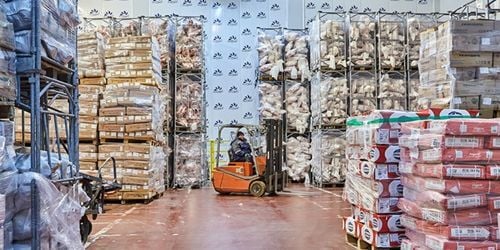
Figure 3. Cold-weather PPE in a cold storage aisle (RMI, 2024)
Employee training is essential to maintaining a safe cold storage environment. Workers must understand how to safely navigate aisles, load and unload materials, and recognize rack-related hazards that are more prevalent in cold storage, such as reduced visibility, icy floors, and increased impact risk to pallet racking.
Hoods, hats, and heavy parkas can limit an operator’s peripheral vision, which increases the risk of hitting uprights. RMI notes this is one reason structural rack, heavier aisle-facing columns, and rack protection accessories are often used in refrigerated coolers.
Additionally, employees must be adequately equipped to work in low-temperature environments, wearing appropriate clothing and gear to prevent cold-related injuries, such as frostbite.
Actionable Steps:
- Conduct regular safety training sessions that focus on rack safety, proper load handling, and emergency procedures.
- Include training on using cold storage-specific equipment, including forklifts and pallet jacks.
- Create a clear emergency response plan in case a rack collapses or another incident occurs.
- Ensure that workers are dressed correctly for the cold, with clothing that is adequately warm for the temperatures, and that their attire is not damaged or ripped, as it can affect both safety and comfort in the cold storage environment.

4. Monitor Temperature and Humidity Levels
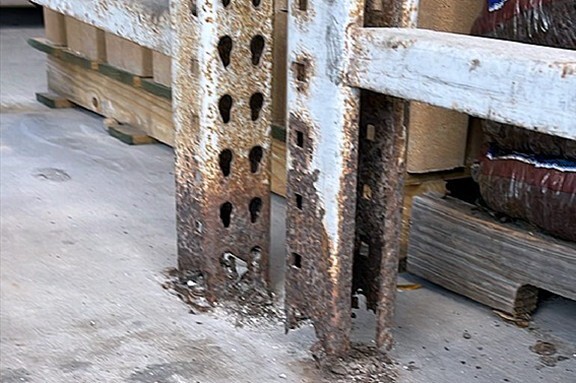
Figure 4. Corroded rack columns
Temperature and moisture conditions should be considered when selecting and maintaining cold storage racking. Condensation can promote corrosion, while frost and ice buildup require investigation and corrective action.
Actionable Steps:
- Monitor temperature and humidity against facility operating limits, and investigate abnormal conditions.
- Confirm with the rack manufacturer that the system is suitable for the facility's temperature and moisture conditions.
- Regularly check for ice buildup or excessive condensation on racks and structures, which can lead to dangerous conditions.
- Where condensation or wash-down is expected, ask the rack supplier to recommend a corrosion-protection system suitable for the moisture exposure and cleaning chemicals used. Galvanized components may be appropriate. Protective finishes help limit corrosion but do not establish the rack’s suitability for low-temperature service.
5. Plan for Emergency Situations

Figure 5. Emergency warehouse planning
Warehousing already carries a high injury risk. The U.S. Department of Labor’s Office of Inspector General reported an injury and illness rate of 5.5 cases per 100 warehouse employees in 2021, more than double the rate across all industries.
Cold storage environments pose additional challenges for emergency response, including icy conditions and the potential freezing of fire suppression systems. Planning for emergencies in advance is essential for protecting employees, inventory, and facility operations.
Actionable Steps:
- Develop a comprehensive emergency response plan that covers evacuation procedures, first aid, and cold storage-specific hazards, and review it regularly.
- Have fire protection systems inspected, tested, and maintained by qualified personnel according to applicable requirements. Freezer areas require systems suitable for freezing conditions, commonly dry-pipe or preaction systems, with attention to moisture and ice obstruction risks.
- Post current emergency contact information, evacuation routes, and hazard identification signage in visible locations throughout the facility.
- Maintain the flue spaces and sprinkler clearances required by the facility’s approved fire protection design. Keep these openings free of encroaching pallets, products, and other obstructions.

Cold Storage Rack Safety Checklist
- Inspect racking on a documented schedule that follows applicable requirements and manufacturer recommendations, with shorter intervals where operating conditions warrant.
- Report every forklift impact. When structural damage is found, immediately isolate the affected area, prevent further use, and arrange qualified assessment and safe unloading.
- Keep loads within verified capacities for the installed rack configuration, and ensure load plaques reflect that configuration.
- Have trained personnel remove ice using facility-approved methods that avoid striking or damaging rack components, and correct the moisture source.
- Ask the rack supplier about corrosion protection suited to the moisture exposure and cleaning chemicals used.
- Report floor cracking or movement near rack bases for qualified assessment.
- Maintain the flue spaces and sprinkler clearances required by the facility’s approved fire protection design.
If a rack or load appears unstable, keep personnel clear and obtain qualified direction before attempting to unload it. Return damaged racking to service only after required corrective work and approval are complete.
Conclusion: Building Safer and More Resilient Cold Storage Operations
Cold storage racking systems are essential to the safe and efficient operation of any cold storage facility, but the extreme conditions they operate in leave little margin for error. Without proper rack inspection, load management, training, and environmental controls, minor issues can quickly escalate into serious safety risks. By following best practices for cold storage rack safety and addressing problems early, facilities can reduce the likelihood of accidents while protecting employees, inventory, and uptime.
A proactive approach to managing cold storage rack safety not only improves worker protection—it also supports uptime and longer rack service life. In demanding cold storage environments, prevention is usually more effective and less costly than reacting to failures after they occur.
How Damotech Supports Cold Storage Rack Safety
Damotech helps cold storage operators find and fix rack problems before they become failures. Our services include engineering-led rack inspections, load capacity calculations, engineered repair kits such as DAMO PRO for damaged uprights, and rack protection such as DAMO GUARD and DAMO BASE GUARD for high-impact areas. For multi-site operators, Damotech’s rack inspection software keeps inspection findings and repair status in one place.
Get an inspection quote for your cold storage racking →
Have photos of rack damage? Send them for free initial repair recommendations. →
References
RMIwriter. (2024, 08 10). Designing Pallet Rack Systems For Refrigerated Coolers: Best Practices. [https://www.rmiracksafety.org/2024/08/10/designing-pallet-rack-systems-for-refrigerated-coolers-best-practices]
U.S. Department of Agriculture, National Agricultural Statistics Service. (2026, February). Capacity of Refrigerated Warehouses 2025 Summary. [https://esmis.nal.usda.gov/sites/default/release-files/795764/rfwh0126.pdf]
U.S. Department of Labor, Office of Inspector General. (2023, September 27). COVID-19: OSHA Needs to Do More to Address High Injury Rates of Warehouse Workers (Report No. 19-23-013-10-105). [https://www.oig.dol.gov/public/reports/oa/2023/19-23-013-10-105.pdf]
Frequently Asked Questions About Cold Storage Rack Safety
What temperature is cold storage?

Cold storage operating temperatures depend on the products being stored. Coolers for chilled products typically operate above 32°F (0°C), while frozen-food storage commonly operates at 0°F (-18°C) or colder. Rack materials and components should be suitable for the facility’s operating temperature and moisture exposure.
Does racking in cold storage need to be galvanized?
Not always. Galvanized components can help protect against corrosion where humidity, condensation, or wash-down exposure is expected. Ask your rack manufacturer to recommend a finish suited to the moisture exposure, cleaning chemicals, and hygiene requirements of your application. A protective finish does not establish the rack’s suitability for low-temperature service.
Why do pallet racking systems in cold storage require special safety considerations?
Cold storage racking may be exposed to condensation, ice buildup, and forklift impacts. Moisture can promote corrosion, while icy floors and restricted visibility can complicate safe handling. Rack materials, protective finishes, and maintenance practices should suit these conditions, supported by routine inspections and prompt action on reported damage.
How often should we inspect racking in cold storage facilities?
Follow applicable inspection requirements and manufacturer recommendations when setting your schedule. Combine routine visual checks by trained staff with documented internal inspections and periodic assessments by a qualified rack inspector. Heavy traffic, condensation, or ice may warrant shorter intervals. Report forklift impacts immediately. When structural damage is found, isolate the affected area, prevent further use, and arrange qualified assessment and safe unloading. If the rack or load appears unstable, obtain qualified direction before attempting to unload it.
What types of damage are most common in cold storage racking systems?
Issues to look for include bent or dented uprights and beams, damaged braces or connections, missing or damaged anchors, and corrosion. Also check for ice obscuring components, displaced shims, and floor cracking or movement near rack bases. Document findings from a safe position and refer structural concerns for qualified assessment.
Why is load distribution critical in cold storage warehouses?
Rack capacities depend on the installed configuration and specified loading arrangement. Overloading, concentrated loads, or incorrectly positioned pallets can overstress components and compromise stability. Follow the rack’s documented capacities and loading requirements. Ice accumulation adds weight and should be assessed rather than assumed to be covered by the rated capacity.
What role do load capacity labels play in rack safety?
Visible load capacity labels communicate the loading limits for the installed rack configuration. They should match current manufacturer documentation or a qualified engineer’s assessment. Have proposed configuration changes reviewed before making them, and update the capacity documentation and labels as needed before using the revised arrangement.
How does employee training contribute to rack safety in cold storage?
Rack safety training helps employees recognize damage, understand loading limits, report impacts, and follow procedures for isolating affected areas. Equipment operators also need training and evaluation appropriate to their equipment and workplace conditions, including icy surfaces and restricted visibility. These practices help reduce rack damage and injury risks.
How do temperature and humidity affect pallet racking systems?
Moisture can condense on rack components when their surface temperature falls below the surrounding air’s dew point, promoting rust and corrosion. In freezing conditions, moisture can form frost or ice. Low-temperature steel performance depends on the material and component details, so the manufacturer or qualified rack engineer should confirm suitability for the operating temperature. Monitor conditions and address abnormal condensation or ice buildup.
Why is emergency planning important for cold storage facilities?
Even with preventive measures, incidents can occur. Cold storage environments can complicate emergency response through icy surfaces, cold exposure, and access restrictions. Emergency plans should address evacuation, incident isolation, emergency contacts, and fire protection system impairments to help protect employees and support a coordinated response.