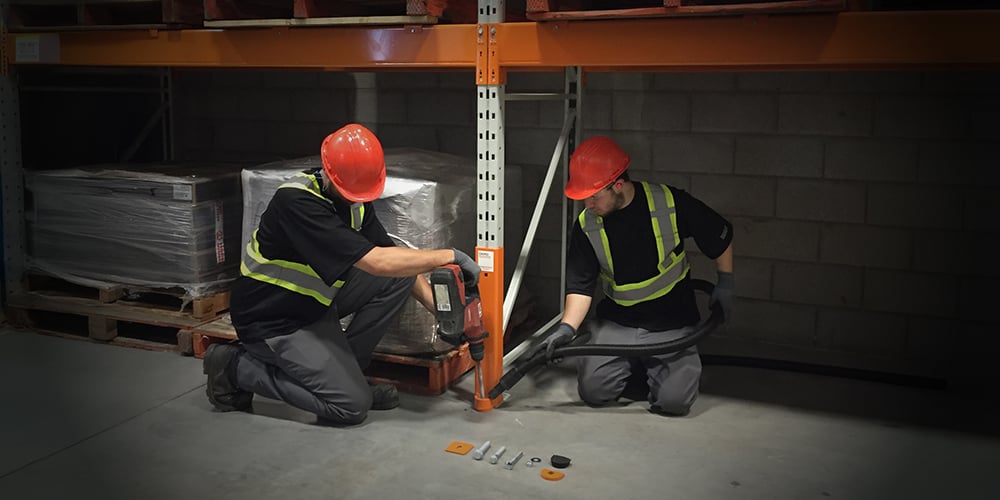

A poor rack installation can result in a blocked aisle, damaged inventory, or a preventable worker injury. Most installation issues don’t show up until the first impact, the first audit, or the first time someone tries to repair a bay.
ANSI MH16.1 requires owners to perform a post-installation inspection, keep load plaques and LARC drawings current, and, upon finding damage, isolate the affected portion and initiate a mitigative response before returning the system to service. That means the installer you hire must do more than “get it up fast.” They need to install according to the engineered design, anchor as specified, and leave a verifiable record behind. Canadian operators should reference CSA A344 for equivalent obligations under provincial OHS jurisdiction.
This guide is about choosing the crew. If you’re still deciding whether the job needs a specialist at all — or you want the full step-by-step process and the CSA/ANSI/RMI requirements — start with Can Anyone Install Pallet Racking? What Warehouse Leaders Need to Know. Once you’re hiring, the rest of this page is your vetting checklist and the red flags that should stop the job. Damotech isn’t a rack installation company — we inspect, protect, and repair racking — so this is the neutral, safety-first checklist we’d hand any warehouse leader hiring a crew.
We regularly see facilities where a simple upright repair turns into a full unload—because the original installation had gaps that only surface under stress. What should have been a one-hour upright swap becomes a full bay unload, a blocked aisle, and a missed outbound window.

What Does a Good Warehouse Racking Installation Look Like?
A quality installation is boring in the best way. It follows the engineered design, the crew knows the rack type they are working on, the anchorage matches the specified hardware, and the finished system is checked against the drawings before it is put into service. Under ANSI MH16.1, the owner performs a post-installation inspection to confirm the rack was installed per the load application and rack configuration drawings, and displays one or more load plaques on or near the system. (For the full standards breakdown and the install sequence itself, see the installation guide.)
For repair work, “good” also means controlled support before any cut is made. Damotech’s EASY LIFT installation procedure requires the device to be set on an even floor, attached correctly, the column to be lifted no more than 1/4 inch, and the hydraulic safety device to be tightened before the damaged section is cut and the repair kit is slid into place. That is the kind of defined sequence you want to hear from any installer doing upright repair.
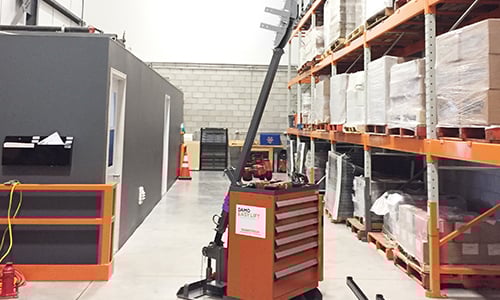
Documentation matters too. Damotech’s inspection and engineering materials describe closeout packages that include issue lists with photos, recommendations, visual floor plans, and cloud-accessible records. Whoever installs your racking, that is the standard handoff to request. A professional crew should be able to show you what they inspected, what they corrected, and how the finished condition was verified.
Need certified rack installers? Find an Orange Pro near you → Certified for rack installation, plus Damotech repair kit and protection product fitting.
5 Red Flags That Should Stop the Job

|
🚩No LARC drawings, no clear load-plaque plan. ANSI MH16.1 requires LARC drawings for rack installations, with limited exceptions for small installations. |

|
🚩Structural adjustments without a defined support method. If the crew plans to take a damaged leg out without describing how the rack will be supported, stop the work. |

|
🚩“We’ll come back for the anchors.” ANSI MH16.1 states that all rack columns must be anchored to the floor with anchor bolts, except for a narrow, hand-loaded exception approved by a registered design professional. |

|
🚩A handoff with no documentation. If the installer can’t tell you who signs off, what gets photographed, and where the records live, you’re being asked to accept risk without evidence. |

|
🚩Field reconfiguration without engineering review. Moving beams, mixing components, or changing layout without a registered design professional’s approval isn’t a harmless shortcut — and any change affecting capacity must be reflected on the load plaques and LARC drawings. |
Why Installer Quality Shows Up Later
Forklift impact is the most common trigger of rack failure, but installer-quality shortcuts — missing anchors, out-of-plumb columns, undocumented modifications — quietly compound that risk. OSHA doesn’t publish a pallet-rack-specific standard, but those failures can be evaluated under OSHA’s General Duty Clause when they create a recognized hazard, with ANSI MH16.1 as the consensus standard referenced in those evaluations.
Two installation details are worth confirming with any crew, because both quietly reduce column capacity when they’re wrong: whether loaded columns stay within the 1/240 plumb and straight limits, and whether every column is anchored as specified on a sound slab. A rack can be installed perfectly and still fail early if the vulnerable zones are left exposed — which is why installer quality and impact protection go together. For everything that puts racks at risk beyond the forklift, see the causes of racking issues unrelated to forklifts.

Repair Kits Vs. Replacement: A Quick Orientation
In many cases, companies default to replacement simply because they don’t realize engineered repair is a compliant option. ANSI does not tell you to prefer one over the other — it tells you what must happen when damage is found: isolate the affected portion, initiate a mitigative response, and, before returning to service, have a professional engineer certify the repaired system has been restored to at least its original design capacity.
As a rule of thumb: repair is usually the better first option for localized upright damage near the base — Damotech’s engineered repair kits are typically manufactured in weeks, most kits are installed in under an hour, and they often do not require unloading stored goods. Replacement fits when damage is widespread, geometry is badly compromised, or the bay is being reconfigured anyway. When you actually have a damaged upright in front of you, work through our full repair vs. replacement guide.
Not sure what to do about your damaged rack?
Submit photos of the damage and get expert recommendations from Damotech’s rack safety specialists. Submit damage photos →
How to Vet Warehouse Racking Installers Before You Hire
Ask:
- Who trained the technicians and what rack types they are qualified to work on.
- How the rack will be supported during any cut or structural adjustment.
- Who reviews the work when modifications, repairs, or return-to-service decisions affect capacity.
- Whether anchorage will be installed exactly as shown on the drawings and manufacturer’s instructions.
- What documentation you will receive at closeout: load plaques, LARC confirmation, observations, photos, issue list, and final recommendations.
- If you operate multiple sites, how installation records will be delivered in a format your other facilities can use. A PDF emailed to one maintenance lead doesn’t scale to 12 buildings — and when corporate EHS asks about install history three years later, that PDF is usually gone.
How to Verify Execution Before You Sign Off
Before you sign off, ask:
- How is rack plumbness verified during installation?
- What anchoring standards are being followed?
- How is load capacity validated after installation?
- Will a post-installation inspection be performed?
- How will installation data be documented and tracked?
If these questions don’t have clear answers, risk is already present. An independent post-install review is worth insisting on to confirm the rack was installed according to engineering specifications and is ready for safe use.
Protect the Rack So You Are Not Paying for the Same Damage Twice
Even the best installer is not a substitute for impact protection. Start by protecting the most vulnerable part of the upright: the first 24 inches. That usually means front-leg protectors, end-of-row protection, and guardrails in high-traffic zones.
That prevention mindset is not theoretical. One national retailer installed 110,000 DAMO GUARDS and found that protected locations were 10x less likely to be replaced due to damage. The smarter play is to hire the right installer and protect the rack from the next impact.
Routine Inspections Are the Safety Net
ANSI MH16.1 puts ongoing responsibility on the owner to inspect for damage, out-of-plumb, out-of-straight, and overloading, while maintaining load plaques and LARC drawings. Damotech’s rack safety guidance recommends documented in-house checks plus annual independent inspections by professionals, especially after new installation, reconfiguration, repair, earthquake, or regulatory review. That makes the best long-term workflow straightforward: install correctly, inspect routinely, repair fast, and track everything in one place.
That sounds simple until you run 12 sites. Inspection data ends up in regional binders, site-level spreadsheets, and a maintenance supervisor’s email — and when the corporate EHS lead asks which bays were repaired last quarter, which racks are due for re-inspection, or which sites are out of plumb against their load plaques, no one can answer in a single afternoon.
The Damotech Platform gives you a centralized place to document rack inspections, track damage, monitor repairs, manage load capacity information, and keep your rack safety program moving across one or multiple facilities.
Conclusion: Don’t Let Installation Become Your Weakest Link
Pallet rack installation is one of the few moments where you have full control over your system’s future performance. Get installation right, and you spend the next five years inspecting, protecting, and occasionally repairing — predictable work. Get it wrong, and you spend the next five years unloading bays to fix things that should have been right the first time.
Book a post-installation inspection → A Damotech inspector verifies your rack was installed to the engineered design, delivers a detailed report, and flags any issues that need correction before the system is loaded.
Hiring a Rack Installer: FAQs
How do I vet a warehouse racking installer before hiring?

Ask who trained the technicians and which rack types they’re qualified for, how they’ll support the rack during any structural cut, who reviews work that affects capacity, whether anchorage will match the drawings exactly, and what closeout documentation you’ll receive (load plaques, LARC confirmation, photos, issue list, and recommendations). If those questions don’t get clear answers, the risk is already present.
What are the biggest red flags when hiring a rack installer?
The biggest red flags are missing LARC drawings or load-plaque planning, structural cuts made without a defined rack-support method, anchors or final hardware deferred to “later,” weak closeout documentation, and field reconfiguration done without a registered design professional’s review.
Do pallet racks need to be anchored?
Yes. ANSI MH16.1 says all rack columns shall be anchored to the floor with anchor bolts, except for certain hand-loaded systems with a top shelf 8 feet or less, and only when approved by a registered design professional.
What documentation should you receive after installation?
At minimum: confirmation against the engineered design and LARC drawings, current load plaques where required, and a documented post-installation inspection record. A strong handoff also includes observations, photos, an issue list, and final recommendations.
Should a rack system be inspected after installation?
Yes. A post-installation inspection helps confirm that the rack was installed according to the engineered design and applicable documentation before it is put into use.
How can Damotech help with rack installation risk?
Damotech helps warehouse leaders identify installation issues, verify rack safety, calculate load capacities, repair damaged racks, protect impact-prone areas, and track rack safety data through engineering services and software.