Avoiding Warehouse Rack Failure: Common Errors and Prevention Tips
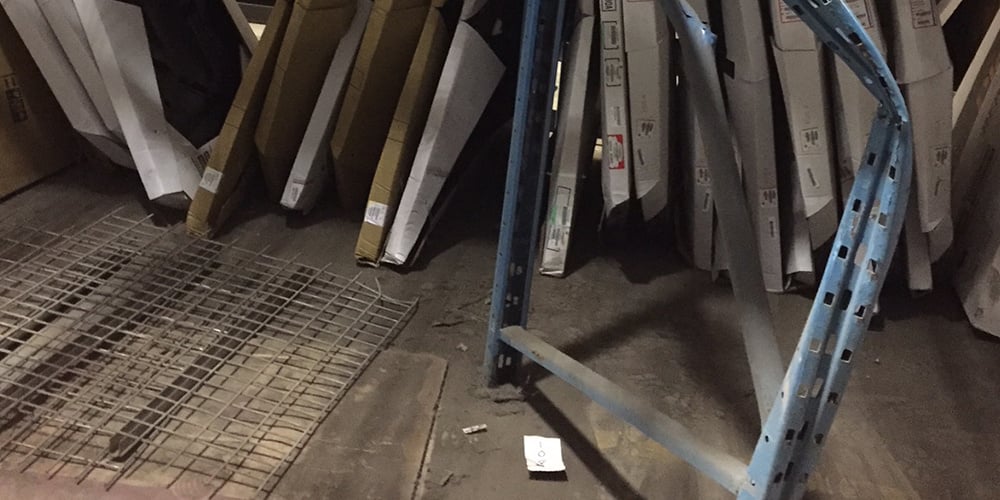
Rack failure in warehouses may seem uncommon, but it happens more often than many realize. Despite modern racking systems being engineered for durability and efficiency, even minor oversights or mistakes can result in catastrophic collapses. These incidents can lead to significant inventory loss, operational downtime, and, most critically, employee injuries.
For warehouse managers, understanding the root causes of warehouse rack failure and implementing preventive measures are crucial to maintaining a safe and efficient operation. In this blog, we explore five common errors that can lead to rack failure and provide actionable tips to help you avoid them.
1. Forklift Damage
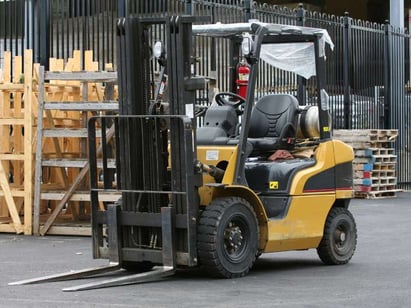
Forklifts are indispensable in a warehouse but pose significant risks to racking systems. Whether due to operator error or equipment malfunction, forklifts can cause severe damage to rack columns and beams. Frequent impacts, especially at the base of columns, can compromise the structural integrity, leading to pallet rack failure. Regular training and modern impact-prevention systems are crucial for reducing this risk.
2. Non-Engineered or Relocated Racking Systems
Racking systems are engineered for specific locations and applications. Moving or reusing a rack without reevaluating its engineering specifications can lead to severe structural failures. Factors such as load distribution, seismic activity, and operational dynamics vary from one location to another, making it essential to re-engineer the system whenever it is relocated.

3. Incorrect Reuse of Racks
Every racking system is designed for specific load capacities and configurations. Reusing racks from other projects without proper engineering evaluation can lead to unexpected failures. Before repurposing racking systems, it is vital to consult with engineers or the original equipment manufacturer (OEM) to understand the limits and specifications.
4. Corrosion
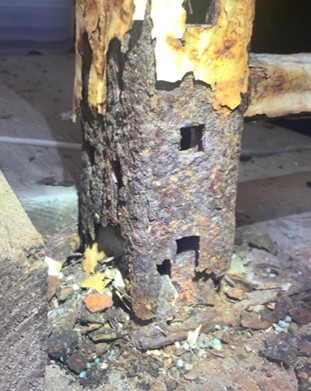
Corrosion is a silent killer of racking systems. Over time, exposure to moisture, chemicals, or extreme temperatures can weaken steel components, leading to rack failure. Regular maintenance, including inspections for corrosion and timely repainting or replacement of affected parts, is essential for long-term racking integrity.
5. Racking Setup Errors
Installing a racking system is a precise task requiring adherence to engineering standards. Skimping on setup quality—such as using inferior materials or skipping safety features—can lead to both short-term and long-term issues. Ensuring every component is installed correctly, anchored securely, and aligned perfectly is critical for preventing pallet rack failure.

Conclusion: Preventing Warehouse Rack Failure
To prevent pallet rack failure, it’s essential to address damage immediately, invest in expert engineering solutions, and adhere strictly to safety standards. Regular inspections, professional assessments, and prompt, qualified repairs are critical for maintaining the integrity and safety of your warehouse racking system.
Rack failure rarely results from a single issue; it often results from a combination of errors. Engaging professional experts ensures that your racking system is thoroughly evaluated and maintained according to industry best practices. By understanding the common causes of rack failure and implementing rigorous safety protocols with expert guidance, you can safeguard your warehouse operations and avoid costly and dangerous collapses.
Frequently Asked Questions (FAQ) About Pallet Rack Failure
What is racking failure?
Warehouse rack failure occurs when a racking system collapses or loses structural integrity, often leading to severe damage, inventory loss, and safety hazards. Common causes include overloading, impact damage, improper installation, and corrosion.
What are the most common causes of pallet rack failure?
The most common causes of rack failure include forklift impacts, improper load distribution, corrosion, incorrect reuse of racks, overloading, and errors during setup. Each of these factors can weaken the racking system and increase the risk of collapse.
How can I prevent rack failure in my warehouse?
To prevent rack failure, ensure regular inspections, promptly repair damaged components, follow engineering guidelines for load capacity, and use high-quality materials during installation. Investing in professional assessments and training for forklift operators can also help minimize risks.
What should I do if I suspect a racking system is at risk of failure?
If you suspect a racking system is at risk of failure, immediately unload the affected area and contact a professional for a thorough inspection. Do not attempt repairs without consulting an expert, as improper fixes can exacerbate the problem.
Can reused or relocated racks cause failure?
Yes, reusing or relocating racks without proper re-engineering can lead to pallet rack failure. Different locations and applications have unique requirements, and moving a rack without recalculating load capacities and stress factors can compromise its structural integrity.
What are the warning signs of an impending rack failure?
Warning signs include visible damage to beams or columns, leaning or misaligned racks, cracks in welds or footplates, excessive rust or corrosion, and missing beam connectors or safety pins. Regular inspections can help identify these red flags early.
What role do load plaques play in preventing rack failure?
Load plaques display critical information about each rack system’s maximum load capacity. Ensuring that load plaques are visible and up-to-date helps employees understand the racks’ limits and avoid overloading, one of the leading causes of failure.
What should I do immediately after a rack collapse?
In the event of a rack collapse, evacuate the area to ensure worker safety, secure the site to prevent further accidents, and contact a structural engineer to assess the damage. A root cause analysis should be conducted to address the factors that led to the failure and prevent future incidents.
While this FAQ covers many of the technical aspects of pallet rack failure, we understand navigating all the details on your own can feel overwhelming. Every warehouse is unique, and addressing your specific concerns is key to maintaining a safe and efficient operation.
Don’t hesitate to reach out if you have additional questions or need guidance tailored to your racking system. Our experts are here to help you assess, repair, and enhance your racking infrastructure. Message us today to discuss your needs and ensure your warehouse is equipped to prevent rack failure.