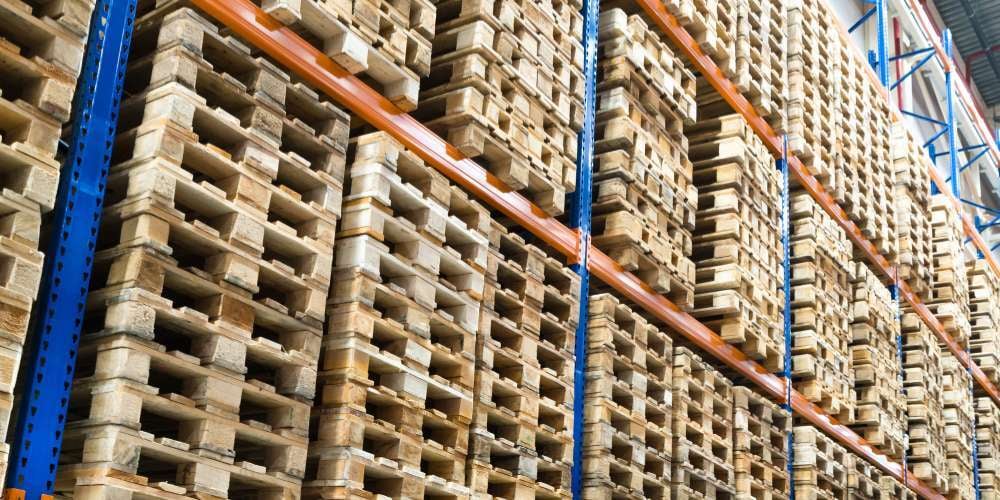

In 2008, a worker was fatally struck by falling material that had been stored on a damaged pallet. According to the Occupational Safety and Health Administration (OSHA), the wood pallet was so severely compromised that it split and broke loose, causing the load to collapse. What began as a deteriorated pallet ended in a preventable tragedy.
Pallets are the foundation of nearly every warehouse operation. They support thousands of pounds of products, interface directly with forklifts and pallet racking, and are relied upon daily to move and store inventory safely. Yet pallet condition is one of the most overlooked variables in warehouse safety—it is often ignored until a failure occurs.
When a pallet fails at elevation, the consequences extend far beyond product damage. Compromised pallets can destabilize loads, increase stress on rack beams, create falling-object hazards, and expose facilities to serious safety and liability risks. Treating pallet safety as a structured inspection and handling practice—rather than an afterthought—is essential to protecting workers, inventory, and warehouse infrastructure.
1. Conduct Regular Pallet Inspections
Before considering the use of pallets, conducting a thorough inspection is an essential step to reduce the risk of workplace injury. However, this is only effective if you can recognize the different types of damage a pallet, like a wooden pallet, may develop over time.
There are many nuances to pallet inspection, but they can generally be grouped into three main factors: the pallet’s structural integrity, uneven surfaces, and the risk of damaging merchandise. Cracks, splits, or signs of rot in wooden pallets can significantly compromise structural integrity, increasing the likelihood of collapse under load. Similarly, loose or missing boards create uneven surfaces, increasing the risk of injury during handling.
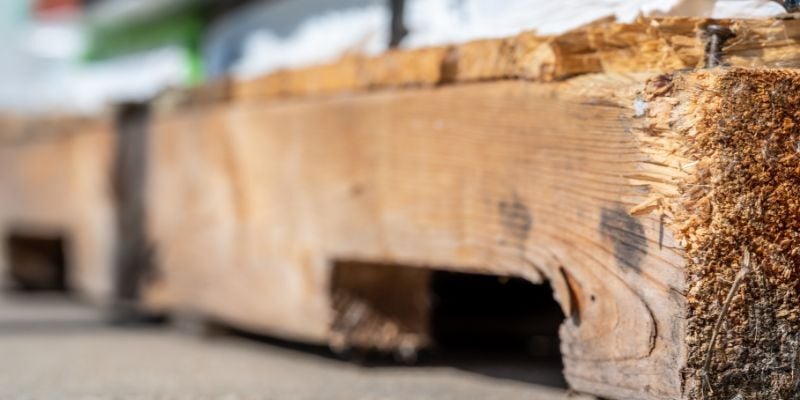
In addition, mold growth on wood pallets—often caused by moisture exposure—can weaken the pallets, contaminate stored goods, and pose health risks to workers. When inspecting pallets, it is also important to watch for protruding nails or screws, which can damage products or tear packaging during handling. If there is ever uncertainty about the condition of a pallet, the safest course of action is to remove it from the workplace entirely rather than risk a preventable incident.
OSHA requires that stored materials not create a hazard (29 CFR 1910.176). To maintain stable storage conditions, damaged pallets should be removed from service or repaired before reuse.
How Pallet Condition Affects Rack Safety
Beyond the immediate risk of product damage or worker injury, pallet condition directly affects rack safety. Damaged or uneven pallets can create unstable load distribution on rack beams, increase localized stress, and contribute to excessive beam deflection. In elevated storage, a compromised pallet is not just a handling issue—it becomes a structural and falling-object hazard that can impact the integrity of the entire storage system.
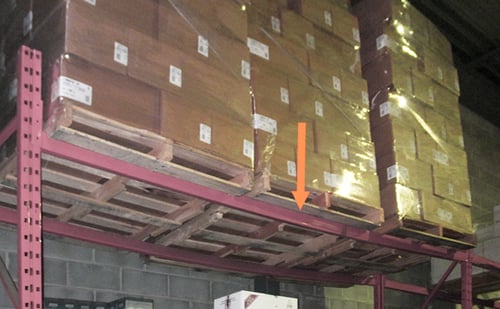
Pallet racks are engineered primarily to carry vertical loads. When a pallet fails during storage, loading, or retrieval, part of that load can shift sideways and transfer lateral force into beams and uprights that the rack was never designed to absorb. A single failure can also cascade along a beam level or across connected bays. In more complex systems such as pushback or pallet-flow racks, a broken pallet or dropped case can jam or damage moving components—repairs that tend to be more costly and can take an entire lane out of service.
ANSI MH16.1 (Section 4) assigns responsibility to the owner to maintain rack systems in a safe operating condition. Because pallets directly influence how loads are transferred to rack components, their condition must be considered part of maintaining a safe storage system.

2. Verify Pallet Suitability and Markings
Not every pallet is built for the same job, and putting an unsuitable one into service can introduce risk. Both the load requirements and the operating environment matter: in many warehouses, wood pallets are the common choice for dry environments, while metal pallets may be preferred in wet or sterile settings. Whatever the material, verifying pallet markings is a critical step in keeping pallets safe and compliant.
Pallet markings provide essential information about the pallet quality and whether it is appropriate for use in your operation. One of the most common identifiers is the International Plant Protection Convention (IPPC) stamp, which indicates the treatment method used during international transport. Common markings include:
- HT (Heat Treated): The most widely used treatment today. Heat-treated wood pallets are heated to a minimum core temperature to eliminate insects and parasites.
- MB (Methyl Bromide): An older treatment method in which pallets were fumigated using a highly toxic pesticide. Due to health and environmental concerns, MB-treated pallets are far less common and are being phased out globally. These pallets should never be burned.
- DB (Debarked): Debarked wood refers to the removal of the tree’s bark from the pallet so heat treatments can be applied effectively.
- KD (Kiln Dried): Refers to wood that has been dried in a kiln to reduce moisture content, helping prevent warping, fungal growth, and pest activity.
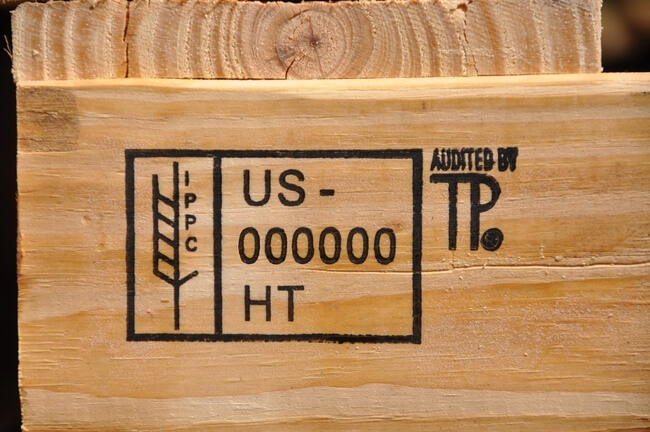
Heat-treated stamp on a wooden pallet. Credit: PalletOne.
Understanding these markings helps ensure that the pallets you use are suitable for your environment, compliant with regulations, and safe for both employees and stored goods.
How Pallet Fit Affects Load and Rack Stability
Material and markings aren’t the whole picture. A pallet can be structurally sound and still create risk if it doesn’t fit the load it carries, the racking it sits on, or the equipment that moves it. A mismatch in load weight and pallet capacity, product size, pallet dimensions, racking type, or your palletization process can concentrate weight unevenly—a pallet that is too small for its unit load, for example, adds stress to both the pallet and the rack beams supporting it.
Fit can also drift over time. Many facilities buy the lowest-cost pallet their application allows, which can be reasonable for one-way shipments. But as products get heavier, supplier quality shifts, or handling equipment changes, a pallet that was once adequate can begin to fail. Reviewing pallet fit—not just pallet damage—on a regular basis helps keep small mismatches from turning into safety incidents.
Deciding which pallet type, size, and material actually suits your loads and racking is a topic in its own right. For a full walkthrough, see our guide on choosing the right pallet for your needs.
3. Handle Damaged Pallets with Caution
To ensure workplace safety and maintain operational efficiency, taking immediate action when locating damaged pallets is essential, as their continued use can lead to accidents or product loss.
A common strategy is to mark or segregate these pallets to prevent workers from accidentally reusing them. If repair is possible, wooden pallets with missing or loose boards can often be repaired and safely reintegrated into the workflow. However, a safer, less labor-intensive option is to simply remove these pallets from the work area.
What to Do When a Pallet Is Cracked, Broken, Damp, or Uneven
If you find a pallet that is cracked, broken, water-damaged or damp, or sitting unevenly under load, treat it as a hazard until proven otherwise:
- Stop using it. Don’t place it—or leave it—in elevated rack storage, where a failure becomes a falling-object hazard.
- Transfer the load. Move the goods to a sound pallet using proper equipment and even weight distribution before the compromised pallet is handled further.
- Segregate or tag it. Mark the pallet and move it out of the active work area so it isn’t reused by mistake.
- Repair or retire it. Pallets with minor issues, such as loose or missing boards, can often be repaired and returned to service. Anything with structural cracks, rot, or moisture damage is usually safer to remove entirely.
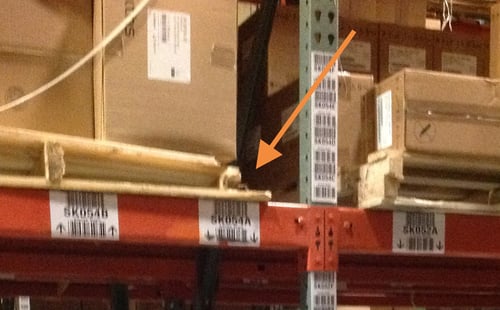
When in doubt, pulling a questionable pallet from service costs far less than the incident it can prevent. It’s also worth remembering that repaired and recycled pallets aren’t automatically lower quality—higher-grade recycled pallets can carry loads comparable to new ones. What matters is that every pallet is graded, sound, and matched to the load it will hold.
4. Ensure Safe Stacking Practices
Understanding the importance of safe pallet stacking is a fundamental part of ensuring not only the stability of the material but also the integrity of goods throughout storage and transport.
Adopting safe stacking practices has also proven to reduce the risk of injury, especially when damaged pallets are involved. Overly tall stacks should be avoided, as they increase the chance of collapse, particularly if the pallets are unstable or compromised. Ensuring that pallets are stacked evenly is key to maintaining stability and preventing tipping hazards.
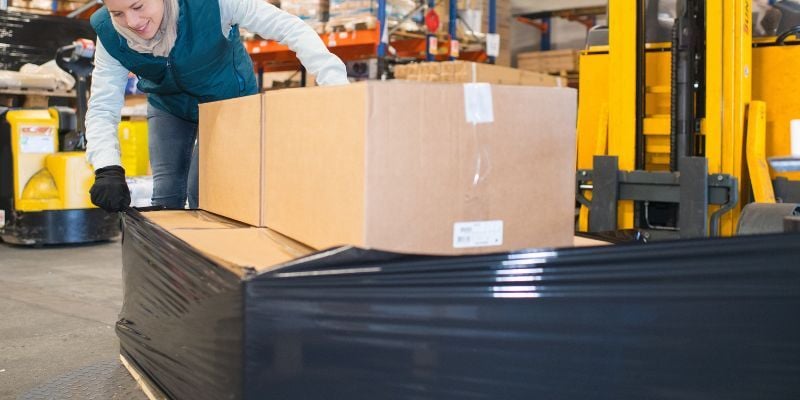
Following these two simple rules alone will reduce the risk of worker injury while still providing an efficient workflow. To take it one step further, whenever pallet transportation is involved, securing the load with shrink wrap or straps is essential to keep goods in place and reduce the risk of shifting or falling.
5. Offer Proper Training on Pallet Safety
To ensure long-term workplace safety and efficiency, comprehensive training for employees who handle these pallets is necessary. Emphasizing proper lifting techniques and encouraging workers to avoid manual handling whenever possible is a good starting point, as it will significantly reduce the risk of injury. Learning to recognize pallet damage and the risk associated with it should be a worker’s number one priority. Additionally, establishing clear emergency procedures that outline how effectively employees can respond is beneficial.
Using the proper equipment is just as important as choosing the right pallets, as it plays a critical role in creating a safe working environment. Understanding the importance of aligning pallets with pallet jacks and/or forklifts will help prevent accidental damage or product mishandling. Equally important is ensuring the pallet load is evenly distributed to prevent tipping or instability during lifting and transport.

Pallet Safety Quick Checklist (Toolbox Talk)
Use this as a quick pallet safety toolbox talk with your team:
- Inspect every pallet for cracks, splits, rot, mold, loose or missing boards, and protruding nails before use.
- Remove or tag any pallet that is cracked, broken, damp, or uneven.
- Match the pallet to the load, the racking, and the equipment handling it.
- Keep stacks even and within a safe height; secure loads with shrink wrap or straps.
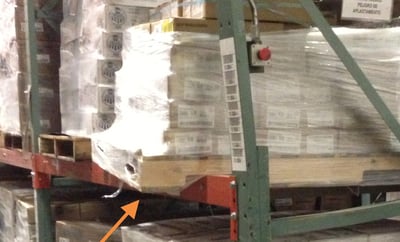
- Never store a compromised pallet at height.
- When unsure about a pallet or a rack, ask a supervisor or a rack safety professional.

Conclusion: Why Pallet Safety Cannot Be Overlooked
Pallet safety is not just about preventing broken boards or damaged goods—it is about controlling risk within the entire storage system. A compromised pallet can destabilize loads, increase stress on rack beams, create falling-object hazards, and expose facilities to preventable incidents and liability.
Establishing clear inspection protocols, removing damaged pallets from circulation, matching pallets to your loads and racking, enforcing safe stacking practices, and training employees to recognize pallet hazards are all essential parts of a responsible warehouse safety program. When pallet condition is managed proactively, facilities reduce injuries, protect inventory, and preserve the structural integrity of their racking systems.
In warehouse environments where loads are stored at height and moved constantly, small oversights can have serious consequences. A disciplined approach to pallet safety helps ensure that the foundation of your storage system remains reliable—and that your people go home safely at the end of every shift.
If you’re unsure whether pallet condition or load stability may be introducing risk in your facility, consulting a qualified rack safety professional can help ensure your storage system remains compliant and secure.

Frequently Asked Questions About Pallet Safety
Why is pallet condition important for warehouse safety?

Damaged pallets can compromise load stability, increase stress on rack beams, create falling-object hazards, and lead to serious worker injuries. When a pallet fails in elevated storage, it can destabilize the entire storage system and expose facilities to safety and liability risks.
What should you look for during a pallet inspection?
Pallet inspections should focus on structural integrity, uneven surfaces, and potential product damage. Look for cracks, splits, rot, loose or missing boards, mold growth, and protruding nails or screws. Any pallet showing structural compromise should be removed from service or repaired before reuse.
What should you do if a pallet holding a load is cracked, broken, damp, or uneven?
Treat it as a hazard until proven otherwise. Stop using it, transfer the load to a sound pallet using proper equipment and even weight distribution, tag or segregate the damaged pallet so it isn’t reused, and then repair it if the damage is minor or remove it from service if it shows structural cracks, rot, or moisture damage. Never leave a compromised pallet in elevated rack storage, where a failure becomes a falling-object hazard.
How do you prevent pallet damage in a warehouse?
Inspect pallets before use, match each pallet to its load, racking, and handling equipment, avoid overly tall or uneven stacks, secure loads with shrink wrap or straps, and train operators to align pallets correctly with jacks and forklifts. Reviewing pallet fit as products and equipment change—not just reacting to visible damage—helps prevent failures before they start.
How does palletization affect pallet and rack safety?
How a load is built on the pallet directly affects stability. Distribute weight evenly, keep it within the pallet’s rated capacity, avoid overhang past the pallet edges, and secure the load with shrink wrap or straps. An unbalanced or overhanging load concentrates stress on the pallet and the rack beams beneath it and raises the risk of tipping or a falling-object hazard. For guidance on choosing pallet sizes and types that match your loads, see our guide on choosing the right pallet for your needs.
How do damaged pallets affect flow racks and pushback racks?
Pallet racks are designed mainly for vertical loads. A broken or uneven pallet can transfer lateral force into beams and uprights and cause failures to cascade along a level. In pushback and pallet-flow systems, a compromised pallet or dropped case can jam or damage moving components, which are typically more costly to repair and can take a full lane out of service.
Does OSHA require damaged pallets to be removed from service?
OSHA requires that stored materials not create a hazard under 29 CFR 1910.176. If a damaged pallet compromises load stability or creates a falling-object risk, it should be removed from service or repaired to maintain safe storage conditions.
How does pallet condition affect rack safety?
Uneven or deteriorated pallets can cause unstable load distribution on rack beams, increase localized stress, and contribute to excessive beam deflection. Because pallets transfer loads directly to rack components, their condition plays a critical role in maintaining safe rack operation.
What pallet markings should warehouses verify?
Warehouses should verify IPPC markings such as HT (Heat Treated), MB (Methyl Bromide), DB (Debarked), and KD (Kiln Dried). These markings indicate treatment methods and help ensure pallets are appropriate for the operating environment.
What should a pallet safety toolbox talk cover?
A short pallet safety toolbox talk should cover how to inspect a pallet before use, how to recognize and tag damaged pallets, how to match pallets to loads and equipment, safe stacking and load-securing practices, and when to escalate a questionable pallet or rack to a supervisor.
References
- Occupational Safety and Health Administration (OSHA). (n.d.). Employee Is Killed by Fallen Stacks of Bags. https://www.osha.gov/ords/imis/accidentsearch.accident_detail?id=201353620
- Occupational Safety and Health Administration (OSHA). (n.d.). 29 CFR 1910.176 – Handling materials – general. U.S. Department of Labor.
- Rack Manufacturers Institute (RMI). (2023). ANSI MH16.1 – Design, Testing and Utilization of Industrial Steel Storage Racks.
- Cross Country Carriers. (2019, February 10). Pallet Safety - Things to look for when working with pallets. https://www.crosscountrycarriers.com/2019/02/pallet-safety-working-pallets/
- Angelo. (2020). Plastic pallets or wood pallets: Which is better? Polymer Solutions International. https://prostack.com/2020/07/28/use-wood-plastic-pallets/
- indiamart.com. (n.d.). Heat treated pallets. https://www.indiamart.com/proddetail/heat-treated-pallets-3979390688.html
- Industrial Polythene. (n.d.). How to secure a pallet the right way to reduce costs. https://www.ipoly.uk.com/news/how-to-wrap-a-pallet